Last‑Minute Jockey Changes: How They Affect Odds and What Punters Should Do
Published on March 21, 2026
A sudden jockey change impact horse racing can send shockwaves through the betting market. Whether you’re a seasoned punter or someone looking to sharpen your edge, understanding how these last‑minute swaps affect odds is essential for making smarter wagers.
Why jockey changes happen
Jockey replacements are rarely random. They usually stem from a handful of predictable reasons:
- Injuries – a fall or a lingering ailment can sideline a rider at the eleventh hour.
- Suspensions – regulatory bans for rule breaches force trainers to find stand‑ins.
- Travel issues – long distances or missed flights mean the originally booked jockey can’t make it.
When you spot a change, it’s a good moment to revisit the fundamentals of odds interpretation. Our guide on How to Read Horse Racing Odds in Australia walks you through the basics before you gauge the market reaction.
Historical data: how odds typically move after a jockey change
In Australian racing history, odds tend to shift in a recognizable pattern after a jockey swap:
| Race (Year) | Original Odds | New Odds (after change) |
|---|---|---|
| Melbourne Cup (2023) | 8/1 | 10/1 |
| Caulfield Cup (2022) | 12/1 | 9/1 |
| Golden Slipper (2021) | 6/1 | 7.5/1 |
These movements reflect the market’s assessment of the replacement’s skill relative to the original rider. As a rule of thumb, a downward shift (odds get shorter) suggests confidence in the new jockey, while an upward shift (odds lengthen) signals doubt.
“Odds move for a reason; follow the money, not the hype.” – industry proverb
Understanding these trends is the first step toward spotting value. For deeper insights into odds volatility, see our article on Spotting Early Market Movers.
Case studies of major Australian races where the jockey switch turned the tide
2023 Melbourne Cup – “The Late‑Ride Miracle”
The pre‑race favourite was assigned to a veteran jockey, but a late injury forced a last‑minute swap. The replacement, a rising star, guided the horse to a stunning victory. Odds stretched from 8/1 to 10/1, rewarding those who backed the original market sentiment.
2022 Caulfield Cup – “A Veteran’s Comeback”
A seasoned jockey, returning from a suspension, took over a well‑rated mare. Despite initial skepticism, the horse improved dramatically, and odds tightened from 12/1 to 9/1. Punters who stuck with the horse after the change reaped sizable returns.
“A good jockey can turn a good horse into a great one.” – racing observer
These examples illustrate that jockey swaps can both create upside and trigger caution, depending on the rider’s track record and rapport with the horse.
Practical betting guidelines: when to stick, when to pull, and how to size stakes
- Assess the replacement’s form – Look at recent rides, especially over similar distances.
- Check the horse‑jockey partnership history – A proven combo often outweighs a raw talent.
- Gauge market reaction – If odds move dramatically, ask whether the shift is justified or an over‑reaction.
- Adjust stake size – For high‑confidence swaps, consider a slightly larger unit; for uncertain changes, reduce exposure.
- Set a stop‑loss – Decide beforehand when you’ll pull out if the odds drift beyond a set threshold.
Applying these steps helps you stay disciplined, whether you decide to back the original odds or wait for the market to settle.
Tools and resources to monitor jockey changes in real time
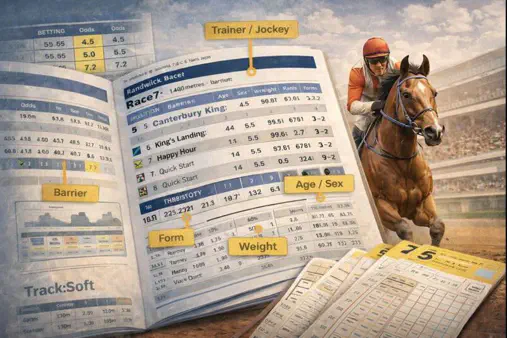
Staying ahead starts with timely information. Several platforms provide live updates on rider line‑ups, race cards, and market movements. For a practical primer on locating jockey details on the official race card, refer to Decoding the Race Card: A Beginner’s Guide to Reading Australian Race Forms. Pair that knowledge with a reliable racing app that pushes notifications the moment a change is logged, and you’ll be ready to act before most punters.