Turf vs Synthetic Tracks: How Surface Differences Shape Betting Strategies in Australian Racing
Published on May 16, 2026
Overview of Australian Racing Surfaces
When you walk onto a race‑day track in Australia, the first thing you notice is the surface beneath the horses’ hooves. The debate between turf vs synthetic horse racing Australia circles every punter’s mind because the material can change the entire complexion of a race. Understanding whether a race is run on grass or a synthetic alloy helps you read the form, size the odds, and spot hidden value.
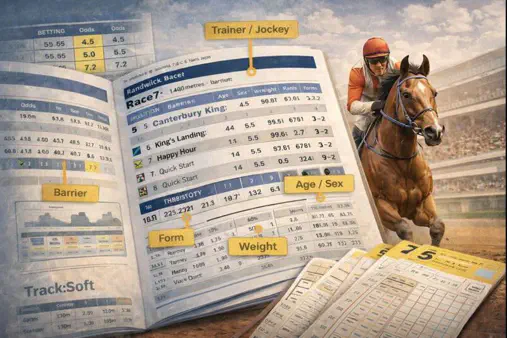
If you’re still getting comfortable with the basics of a race card, check out Decoding the Race Card: A Beginner’s Guide to Reading Australian Race Forms for a quick refresher.
Key Performance Differences
Both surfaces have distinct traits that affect how horses run:
- Speed: Synthetic tracks usually produce quicker opening fractions, while turf tends to favor a more gradual build‑up.
- Stamina: Turf can be kinder on a horse’s joints over longer trips, whereas synthetics may tax endurance on fast‑pacing races.
- Injury Risk: Many trainers believe synthetic surfaces reduce bruising, but some horses simply don’t “feel” right on them, leading to under‑performance.
“A horse that loves the give of turf can look lost on a synthetic lane, and the reverse is equally true,” says veteran trainer Mark Stevenson.
How Surface Influences Form Cycles, Sectional Times, and Pace Figures
Form cycles often reset when a horse switches surfaces. A sprinter thriving on synthetic may drop back on turf if the pace collapses. That’s where sectional timing becomes a vital clue. By comparing a horse’s split times on each surface, you can gauge true ability.
For deeper analysis, explore Sectional Times: Finding Value Runners to see how timing data highlights surface specialists.
Surface‑Specific Betting Angles
- Value Picks: Look for horses with solid past performances on the current surface but lacking recent high‑profile wins. Their odds may be undervalued.
- Market Movers: Watch the tote for sudden price drops on a horse whose trainer recently switched training to a synthetic track—often a sign of hidden confidence.
- Stake Sizing: On synthetic, consider modest stakes on front‑runners who can dictate a fast early pace; on turf, allocate more to late‑run horses that benefit from a slower build‑up.
“Betting isn’t just about who’s fastest; it’s about who adapts best to the ground beneath them,” remarks jockey Lisa Nguyen.
Case Studies
- Synthetic Sprint – The Harbour Cup (2025): A lightly‑rated five‑year‑old posted a blistering final 200m after a strong early pace. By tracking his sectional times, punters identified a 15‑length advantage over turf‑only rivals and secured a 12‑to‑1 payout.
- Turf Marathon – Melbourne Cup Prep (2024): An older stayer with a history of finishing strongly on turf finally broke his form on a wet grass track, overtaking the synthetic‑trained front‑runners in the final furlong. Stakes placed on his late run delivered a sizable return.
For deeper insight into how pacing styles intertwine with surface dynamics, read Race Pacing Styles Demystified: How Front‑Runners, Stalkers and Closers Influence Australian Bets.
Quick Checklist for Unfamiliar Surfaces
- Check recent surface history: Has the horse run on this track type in the last six starts?
- Review sectional splits: Do the timings suggest the horse excels on fast or slow finishes?
- Assess trainer comments: Any remarks about “feeling the surface” or equipment changes?
- Watch the tote: Sudden price shifts often signal insider confidence.
- Consider pace scenario: Will the surface favor front‑runners, stalkers, or closers?
Armed with these points, you can approach each race with a clear framework, turning the surface from a mystery into a betting edge. Happy wagering!